History of Colored Stones

Ancient Times

Gemstones have always been a cornerstone of fashion, adding a touch of elegance and sophistication to any ensemble. Whether set in a classic diamond ring or a bold statement necklace, gemstones have the power to transform an outfit from ordinary to extraordinary. Designers often use colored stones like emeralds, sapphires, and topazes to create timeless pieces that exude luxury and style. From everyday wear to red carpet glamour, gemstones remain an essential element of the fashion world.

Cultural Significance

Throughout history, different cultures have revered gemstones for their beauty and perceived mystical properties. They were used in rituals, as symbols of love and loyalty, and even as currency in trade.
post

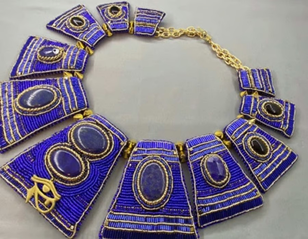
Cleopatra’s Lapis Lazuli Jewellery

reviewer

A deep-blue gemstone treasured in ancient Egypt, lapis lazuli adorned Queen Cleopatra as a symbol of divine power, wisdom, and beauty. Sourced from distant Afghan mines, its celestial hue was believed to connect the wearer to the gods. Cleopatra’s lapis lazuli jewellery remains a timeless emblem of royal authority and sacred elegance.

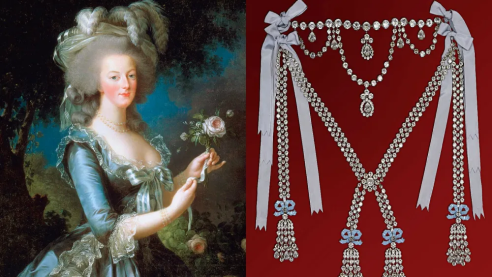
Marie Antoinette and Her Diamond Necklace

reviewer

A lavish diamond necklace linked to Queen Marie Antoinette became one of history’s most infamous jewels. Though she never owned it, the necklace came to symbolize royal excess and scandal, fueling public outrage in pre-revolutionary France. Today, it stands as a powerful reminder of how luxury, intrigue, and misunderstanding helped shape the fall of a monarchy.

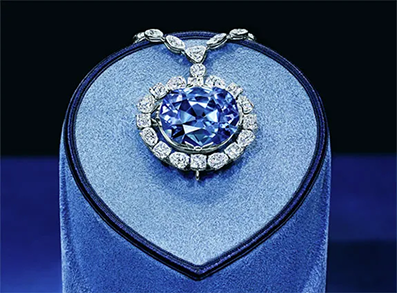
The Hope Diamond

reviewer

A magnificent 45.52-carat blue gemstone, has graced royal hands and captivated cultures with its allure and mystique. Believed to have originated in India, it was famously part of the French Crown Jewels, worn by King Louis XIV as the "French Blue." Its deep-blue hue symbolized wealth and divine favor in European monarchies. Despite its beauty, the gem gained notoriety for its supposed curse, associated with misfortunes that befell its owners. Today, it remains a symbol of cultural fascination, blending the opulence of royalty with humanity’s enduring intrigue in the supernatural.

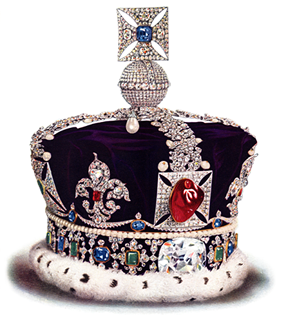
The Black Prince's Ruby

reviewer

The Black Prince's Ruby, a striking red spinel, is a centerpiece of the British Crown Jewels. Famously worn by King Henry V during the Battle of Agincourt in 1415, it symbolized royal bravery when it reportedly deflected a fatal blow. Originally gifted to Edward of Woodstock (the Black Prince) in 1367, the gem has passed through centuries of royal history, adorning monarchs like Henry VIII and Elizabeth I. Now set in the Imperial State Crown, it remains a powerful emblem of resilience and authority.

Queen Elizabeth II and the Sri Lankan Sapphire Brooch

reviewer

Queen Elizabeth II’s signature sapphire brooch, gifted by her father, King George VI, is a testament to the enduring ties between royalty and gemstones. This 22-carat Sri Lankan sapphire, encircled by diamonds, symbolizes loyalty and trust, resonating with the Queen’s steadfast reign. The brooch’s origin also highlights the historical trade of gemstones from Sri Lanka, renowned for its exceptional sapphires.